
Carnivals, Castles & Coastal Breezes: A Road Trip Across Southern Spain
The best adventure sometimes comes through a bargain.
A cheap flight into Malaga became the starting point of our Andalusian road-trip, spread across 6 days: covering the dramatic landscapes of Ronda to the cultural heartbeat of Seville, and the festive shores of Cádiz, this itinerary blend adventure, history, and local charm.
Day 1: London>Malaga>Ronda: Scenic Drives & First Impressions
This trip, started off with minimal planning - we had picked out the places we wanted to visit in Southern Spain and let the mood of the day, decide the specifics. We landed in Malaga, grabbed a bite and started our drive to Seville via Ronda. While I juggled navigation, being the DJ and scouted for things worth discovering in Ronda, the views from my window changed from the coastal buzz of Malaga to the peace and tranquillity of the countryside. The drive from Malaga to Ronda is about 96 kilometres and just shy of 2 hours, though it can end up taking longer if you can’t resist the scenery and take breaks to soak in the moments.
We took the inland route via A-357 and A-367 passing through quiet farmland, keeping pace with the goats, settling into the rural rhythm. The olive groves soon made way for the rocky and rugged landscape of Ronda.
As we entered Ronda, it quickly became clear this town was a magnet for travellers, with buses and tourists clustering to catch the city’s famous views. Navigating parking could have been a headache — but thanks to a bit of prior research, we’d tracked down well-established car parks, one that was underground, that let us tuck away the rental car safely and skip the hassle of circling for a spot. For anyone road-tripping in Spain, especially when visiting smaller towns unequipped for the tourist rush, knowing where to park in advance is a small move that makes the day so much smoother.
Puente Nuevo: A Bridge Between Worlds
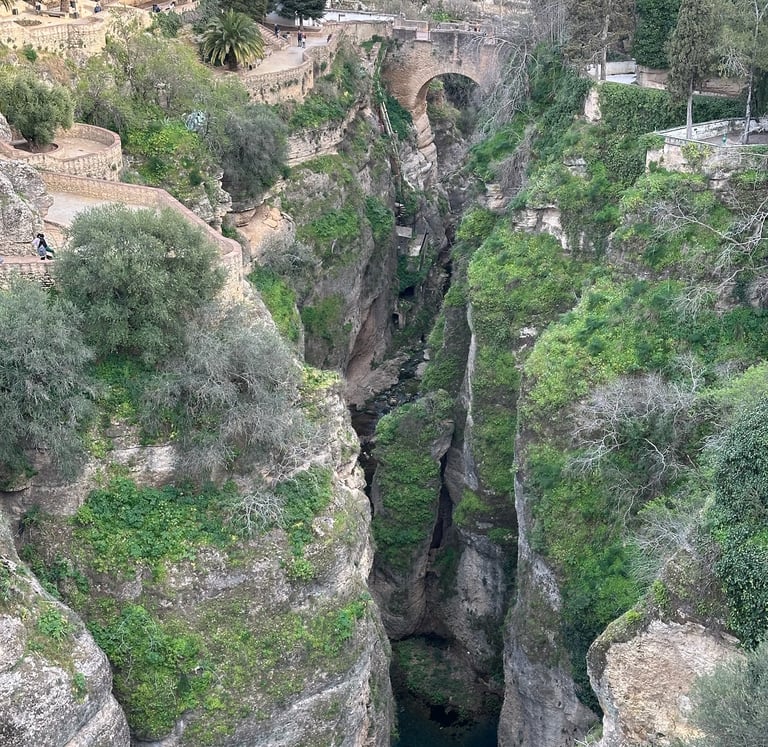
All itineraries and must-see lists about Ronda will point you towards the iconic Puente Nuevo. Rightly so: this historic structure connects the old and new parts of the city spanning the dizzying El Tajo Gorge.
Standing on the bridge, you are treated to panoramic views of the rugged landscape below - perfect for photographers and dreamers alike. For the more adventurous, the cliffs surrounding the gorge offer rock climbing opportunities, with routes that challenge both beginners and seasoned climbers.
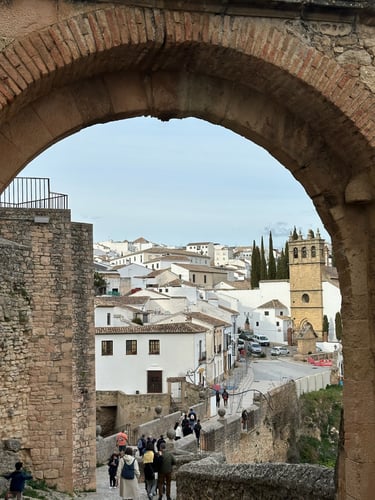
After soaking in the views, we wandered along Ronda’s narrow cobbled lanes, flanked by whitewashed houses and charming courtyards on one side, and olive gardens on the other.
Ronda’s peaceful yet dramatic setting made it the perfect start to our Andalusian adventure.
We hit the road again, grabbing a local sandwich and potato crisps - a snack that quickly became our road trip staple. The drive to Seville was a treat, with rolling hills, olive groves, and sun-drenched fields serving up picture-postcard vibes.
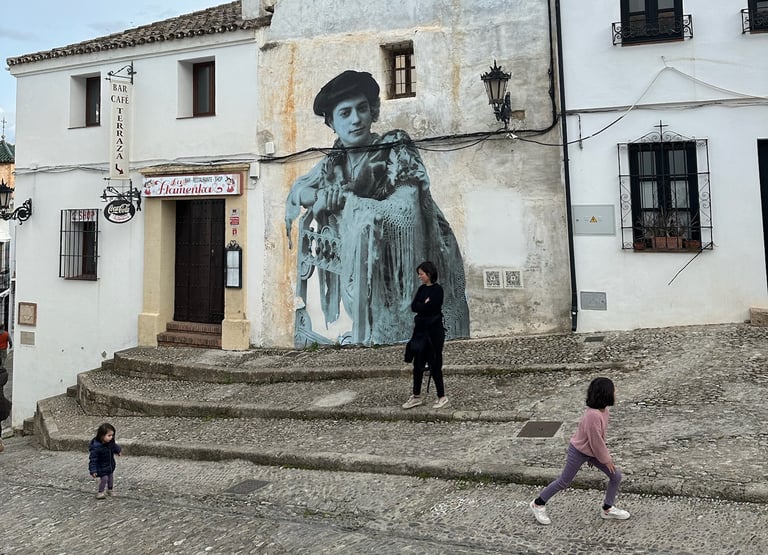
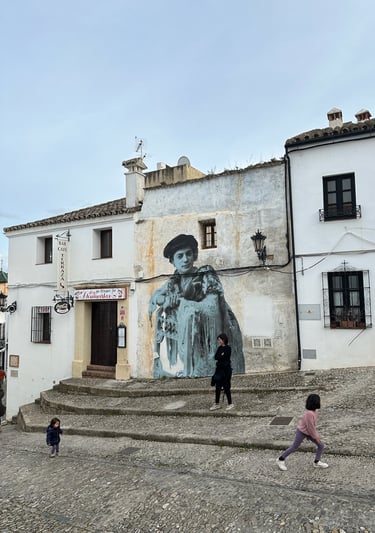
To avoid high parking fees and tolls, we stayed on the periphery of Seville; not only did it save us money, but it also gave us easy access to both the city centre and nearby destinations. Our accommodation became a convenient base for a day trip to Cádiz, allowing us to explore more without constantly packing and unpacking.
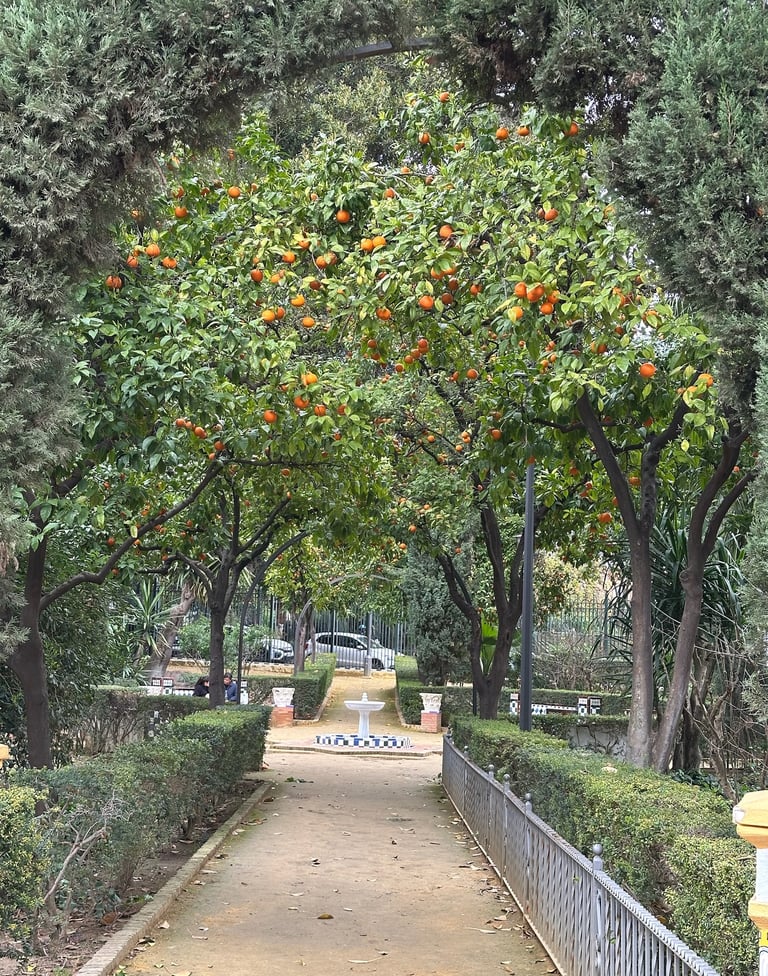
We spent the day exploring Seville’s historic heart, beginning with a leisurely walk along its charming streets. The architecture, the energy, and the scent of citrus in the air from the abundant orange trees around us, were both welcoming and uplifting.
Day 2: Seville – Cathedrals, Courtyards & Culture
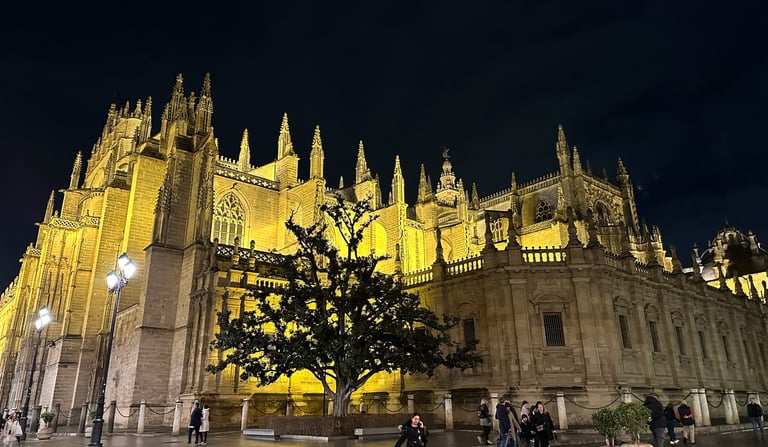
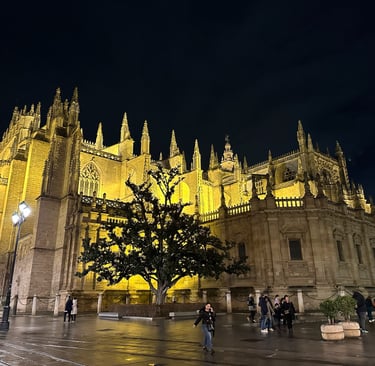
Finding a spot to park in the centre of Seville is notoriously difficult due to strict regulations, a complex street layout in the historic areas and high demand for limited spaces. Fortunately, the city encourages car users to use of its park-and-ride services, which provide large parking areas with direct metro and bus connections to all parts of the city, making it a convenient and cost-effective alternative for visitors.
The metro network is compact, clean and very simple to use, connecting key transport hubs and all the important sites. Signage is clear and trains run frequently enough to get across Seville quickly, especially for trips beyond the easily walkable centre.
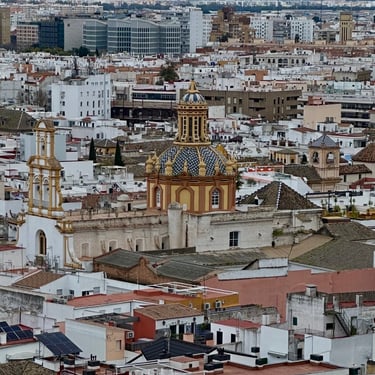
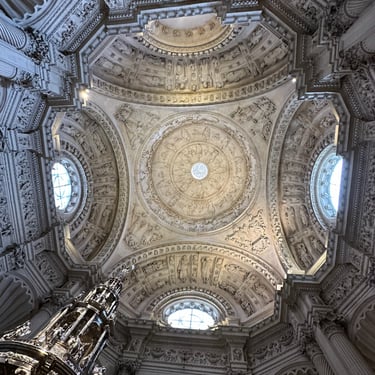
Our first major stop was the Seville Cathedral, one of the largest and most awe-inspiring Gothic structures in the world. Its sheer scale is humbling, and the intricate details on its façade and interiors speak volumes of its rich history.
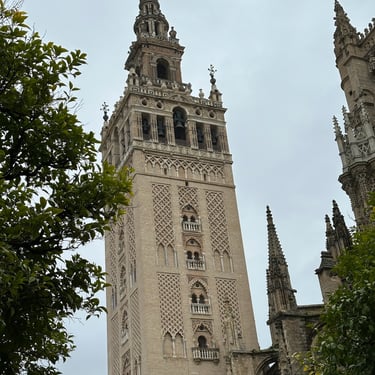
We climbed the La Giralda Tower, a former minaret turned bell tower, via a series of narrow, sloping ramps—a unique architectural feature originally designed for horseback ascents.
At the top, we were rewarded with panoramic views of the city, stretching from the cathedral’s spires to the winding Guadalquivir River. The sights and “the feels” stay with you long after, as you soak in the city laid out before you.
In the evening, we visited the Setas de Sevilla (Metropol Parasol). While its modern design stands in sharpy contrast to Seville’s historic architecture, it brought a contemporary energy to our experience. We relaxed in the courtyard, watched as the city lights came alive, and posed in front of the “I ❤️ Seville” sign. This massive wooden structure, with a contemporary look, offers a stunning foil to Seville’s timeless charm.
We ended the day strolling through streets filled with flamenco boutiques, vibrant displays of local fabrics, and cozy tapas bars. The city’s cultural pulse was everywhere—from its music and food to the fashion.



Day 3: Cádiz – Carnival Magic & Coastal Beauty
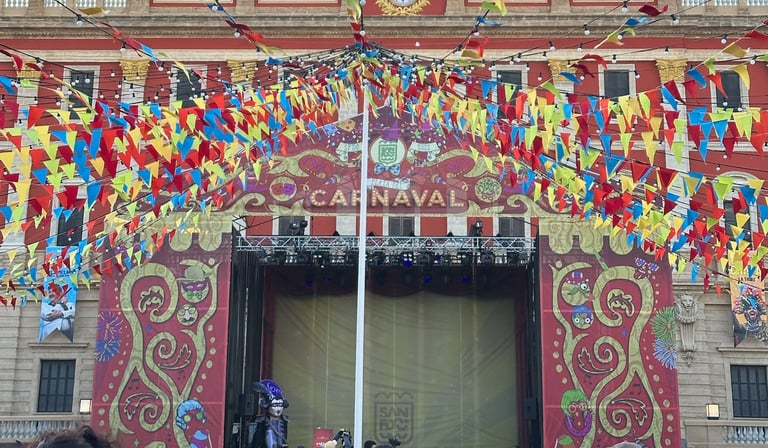
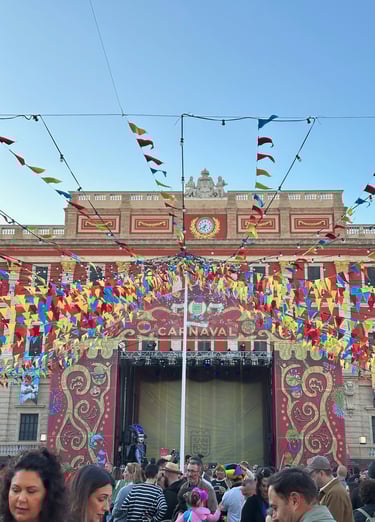
We added Cádiz to our itinerary for a chance to experience the vibe of the carnival, and it did not disappoint - delivering the most vibrant moments of our trip.
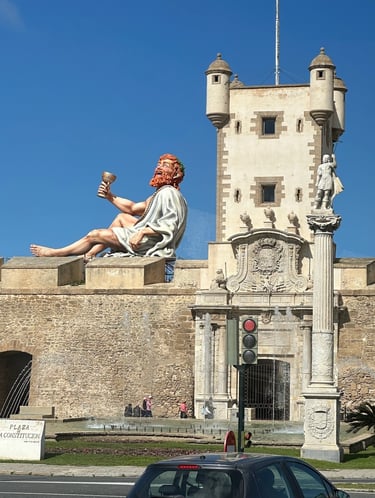
Entering the city, we were greeted by a playful statue of Hercules raising a toast—setting the tone for a day of celebration.
A quick travel tip: always check the routes connecting into carnival towns before setting out. In our case, we decided to park our car in neighbouring San Fernando and took a bus to Cádiz, as road closures were in force for the festivities. We did not come across any convenient train options for Cádiz either.
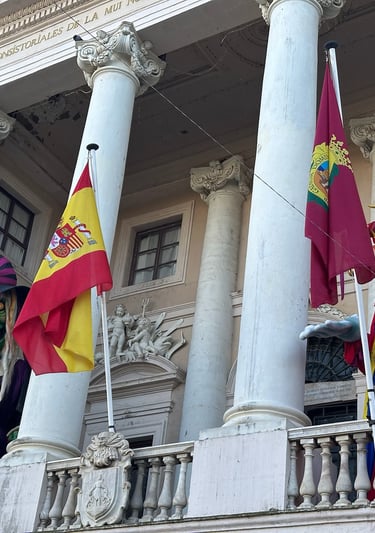
Even on the bus, the carnival spirit was unmistakable, with locals dressed in colourful costumes and funky headgear – a mood that only intensified when we arrived. The streets were alive with music, kiosks selling masks, wings, and carnival accessories, and the joyful buzz of locals and tourists alike. We grabbed some cold beer and street food, joining the festivities with full hearts and happy tummies.
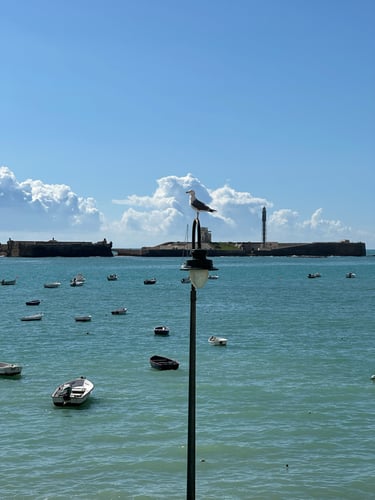
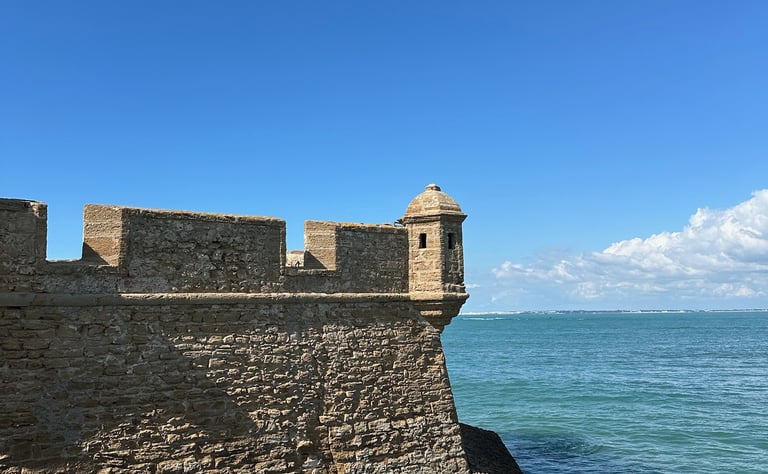
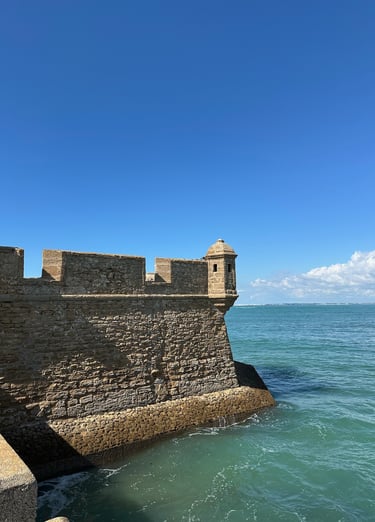
After soaking in some carnival energy, we headed to the pier and fortress, where the coastal breeze and old stone ramparts offered a peaceful contrast to the festivities. From the beach, the causeway reaches out to the Castillo de San Sebastián fort, framed beautifully by the surrounding sea. The steady rhythm of waves crashing on the breakwaters and the fresh ocean spray welcoming everyone walking, fishing, or relaxing, brought a vivid coastal energy to the entire scene. Cádiz is a seafood lovers paradise: being a vegetarian, I could only ‘see food’ :P but my partner happily explored and experimented with Tortillitas de camarones and more, which you can read about in our Andalusian Food Blog.
Later, we dove back to the festive streets of Cádiz, cheered on local bands, danced to traditional numbers and grabbed some more street food to power us through the evening.

Day 4: Seville's Royal Splendour
Our day began with a refreshing run, followed by brunch at this eclectic café known for its contemporary menu of quiches and baguette sandwiches (more here). They offered several tasty vegan options – highly recommended by me.
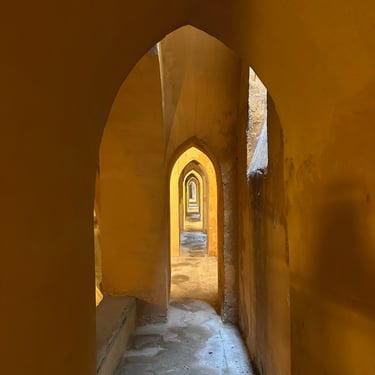
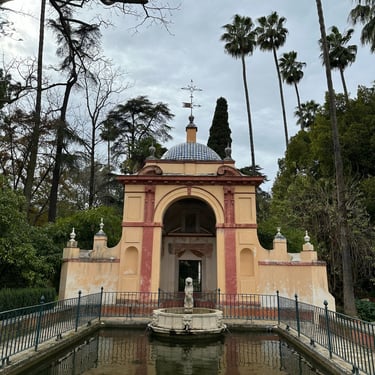
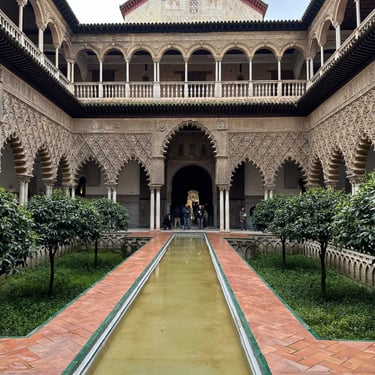
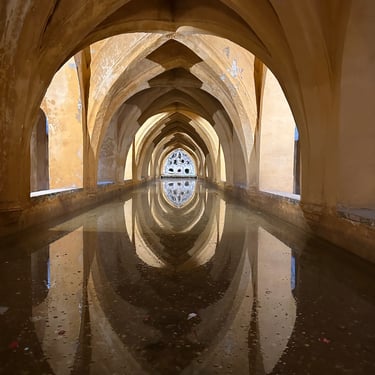
Fuelled-up, we set off to explore the Alcazar Palace – a UNESCO World Heritage site and still an official residence of the royal family. The palace’s architecture is a stunning fusion of Islamic and Renaissance styles, known as Mujedar art. Symbolizing the peaceful coexistence of Muslims and Christians during the medieval period.
The courtyards and gardens are meticulously crafted, but what truly captivates are the tile decorations in bold geometric patterns and vibrant colours. We spent 3 hours wandering the palace – though could easily spend longer. We opted for an audio tour, but there are also guided tours available in multiple languages at varied times.
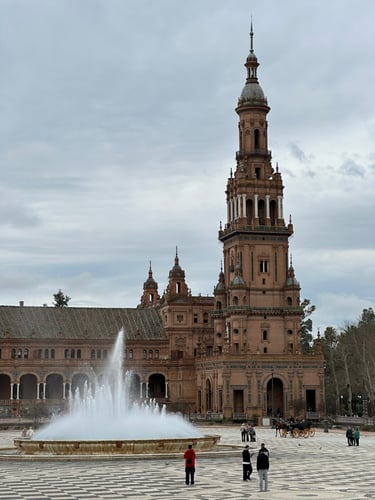
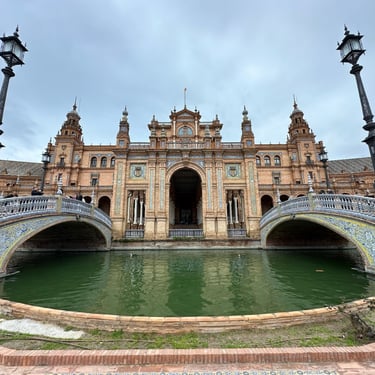
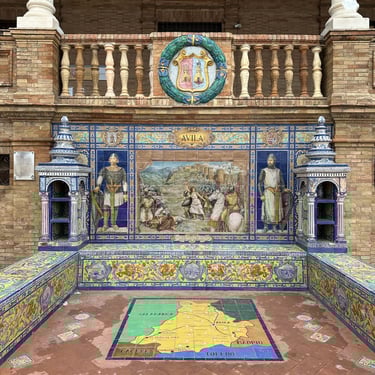
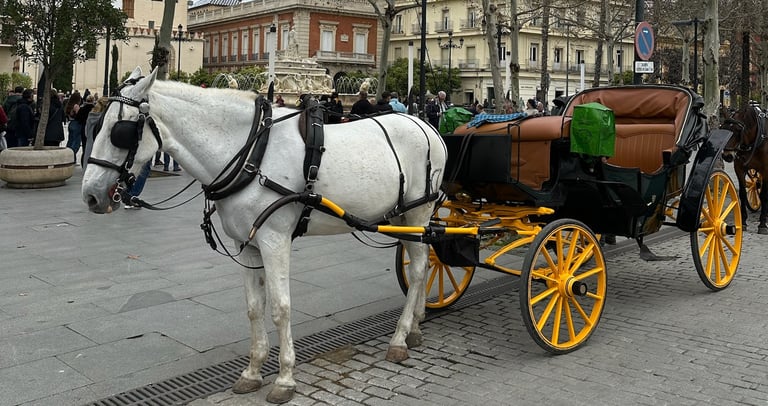
Next, to indulge in some more tile art and be blown away by the grand scale, we headed to Plaza de Espana. Whether you are an architecture enthusiast or design buff or hunting for that Instagram-worthy shot, this dramatic square with its bridges, fountains and chariot rides is sure to impress. The tiled artwork represents Spain’s various provinces in intricate detail.
Though tempted to keep clicking photos of and around this majestic and artistic landmark, we had to push on, as we were nearing the final leg of our trip and needed to return to Malaga.
Day 5: Antequera’s Natural Wonder to Malaga’s Coastal Serenity
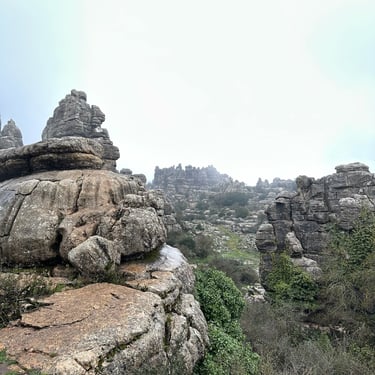
After immersing ourselves in culture and architecture, we were in mood for some adventure, so we set out on a hike to Torcal de Antequera.
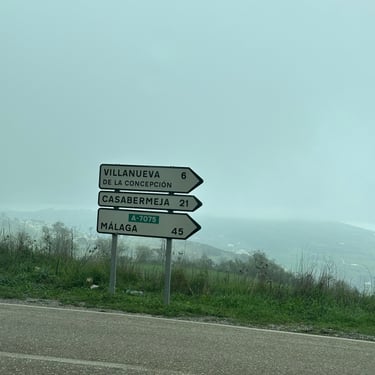
Antequera lies about 45 kms from Malaga, and El Torcal features unique rock formations that date back 150 million years. A great spot for hiking and exploring a different, rugged side of Andalusia. There are 3 hiking routes offering amazing views, with the longest trail spanning 4.5 kms – manageable even in a packed itinerary. The weather was not quite on our side, but the fog added a bit of drama to the landscape and our experience, casting an eerie beauty over the views. Breathing in the misty air and watching clouds glide through the limestone rocks, we were reminded that nature is beautiful in every form.
Taking the A-45 back to Malaga, we stopped at Gibralfaro Castle, which overlooks the city and the Mediterranean Sea. Walking down the winding path along the fortress walls and taking in panoramic views of the marina felt like flipping between past and present. After our rocky adventure and stroll through history, it was time to unwind on the sandy shores of the Mediterranean.
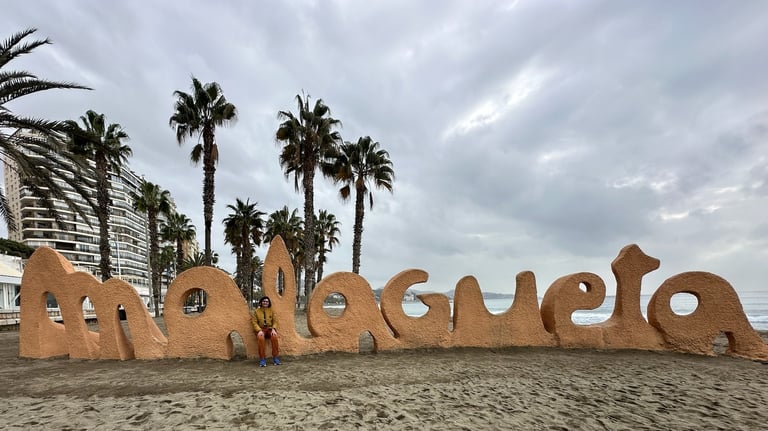
What better way to say goodbye to Spain than indulging in its tapas one last time?
This road trip through Southern Spain was a journey of contrasts and connections. Whether you're chasing adventure, history, or just good food and sunshine, Andalusia delivers.
Day 6: Cycling through Malaga and flying back home
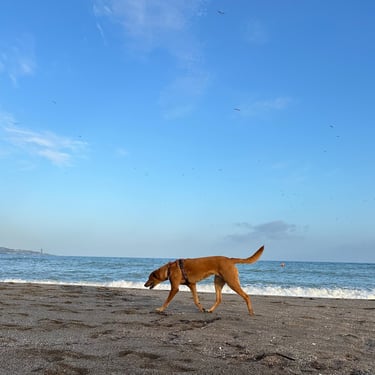
The spring sun shone brightly as we started our final day in Spain with a run along the coast. Since this was trip was spontaneous, we did find ourselves wanting to do different things. I decided to take a cycle tour to explore the city and my partner chose to discover it on foot.
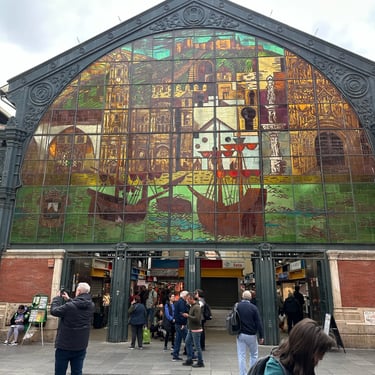
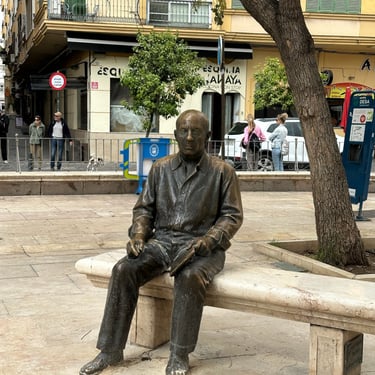
When your cycling adventure begins with snapping photos alongside Picasso, you know you’ve made the right choice. Plus, exchanging notes with fellow travellers is an added advantage. We pedalled past landmarks, absorbing fascinating facts and local folklore, ending at the historic and bustling food hall - Mercado Central de Atarazanas. More than just a market for fresh seafood and produce, it also hosts lively tapas bars - a must-visit spot to experience the authentic cultural and everyday vibe of Malaga.
My most recent routes
A Roadtrip across Southern Spain
Chase adventure, history, and carnival energy on a spontaneous Andalusian journey. From Malaga’s coast to Ronda’s cliffs, festive Cádiz, and Seville’s palaces, every day brings scenic drives, cultural treasures, and vibrant local moments—making Southern Spain unforgettable with every bend and breeze.
tantan
11/19/20258 min read